




Table of Contents
[ Show/Hide ]- • Bitunix review 2026: the short answer
- • Bitunix fees: Spot, Futures and VIP tiers
- • How Bitunix Futures trading works
- • Bitunix products, trading tools and platforms
- • Bitunix security, Proof of Reserves and asset protection
- • Bitunix regulation, legal status and restricted countries
- • Deposits, withdrawals and KYC
- • Bitunix cashback through HighFxRebates
- • Can existing Bitunix users get HFR cashback?
- • Bitunix advantages and limitations
- • Who may consider Bitunix, and who may need alternatives?
- • FAQ
- • Bitunix review 2026: practical takeaway
- • Sources and methodology
- • Disclosure and risk warning
Bitunix review 2026: the short answer
Bitunix is a centralised cryptocurrency exchange offering Spot, perpetual Futures, Copy Trading, and other supported services. At VIP 0, its current fee schedule lists 0.0800% maker / 0.1000% taker for Spot and 0.0200% maker / 0.0600% taker for Futures. Higher VIP tiers can reduce those rates when the relevant volume or balance conditions are met.
Bitunix documents several perpetual-futures formats, including USDT-M, USDC-M and Coin-M contracts. Selected BTC/USDT and ETH/USDT perpetuals currently support leverage up to 200x, but this is not a universal platform limit. Available leverage varies by contract and risk settings, and higher leverage increases liquidation sensitivity and potential losses.
Availability depends on jurisdiction. Bitunix’s restricted-regions notice currently excludes a number of locations, including the United States, Canada, mainland China, Hong Kong, Singapore, the UAE, France, Malaysia, and Seychelles, among others. Separately, HighFxRebates currently lists 12% cashback on eligible Bitunix trading fees/commissions, paid daily and directly to the Bitunix account after the HFR-linked account has been reviewed and confirmed.
Bitunix fees: Spot, Futures and VIP tiers
Bitunix uses maker/taker pricing, with separate rates for Spot and Futures. The current VIP 0 rates checked on 12 September 2026 are:
| Market | VIP 0 maker | VIP 0 taker | Other costs to check |
|---|---|---|---|
| Spot | 0.0800% | 0.1000% | Market spread; withdrawal/network fees |
| Futures | 0.0200% | 0.0600% | Opening/closing fees; funding payments |
A maker order adds liquidity to the order book when it rests without immediately matching. A taker order removes existing liquidity. The order type alone does not guarantee maker pricing: a limit order that executes immediately against an existing order can be charged as a taker.
Bitunix’s VIP programme uses qualifying 30-day Spot volume, 30-day Futures volume or account balance. Because thresholds and rates can change, the live fee schedule should be checked before comparing costs.
Trading fees are only part of the cost. Spot users also face the bid-ask spread. Perpetual Futures can involve funding payments, and on-chain withdrawals use network-dependent fees. These costs should be checked separately rather than combined into one headline fee.
How Bitunix Futures trading works
Bitunix currently documents several perpetual-futures formats. USDT-M contracts use USDT as the margin and settlement asset, while Coin-M contracts use the supported underlying cryptocurrency as margin and settlement. Bitunix also launched USDC-M Futures in June 2026. Contract availability can vary, so the trading interface and product terms remain the final reference for a specific market.
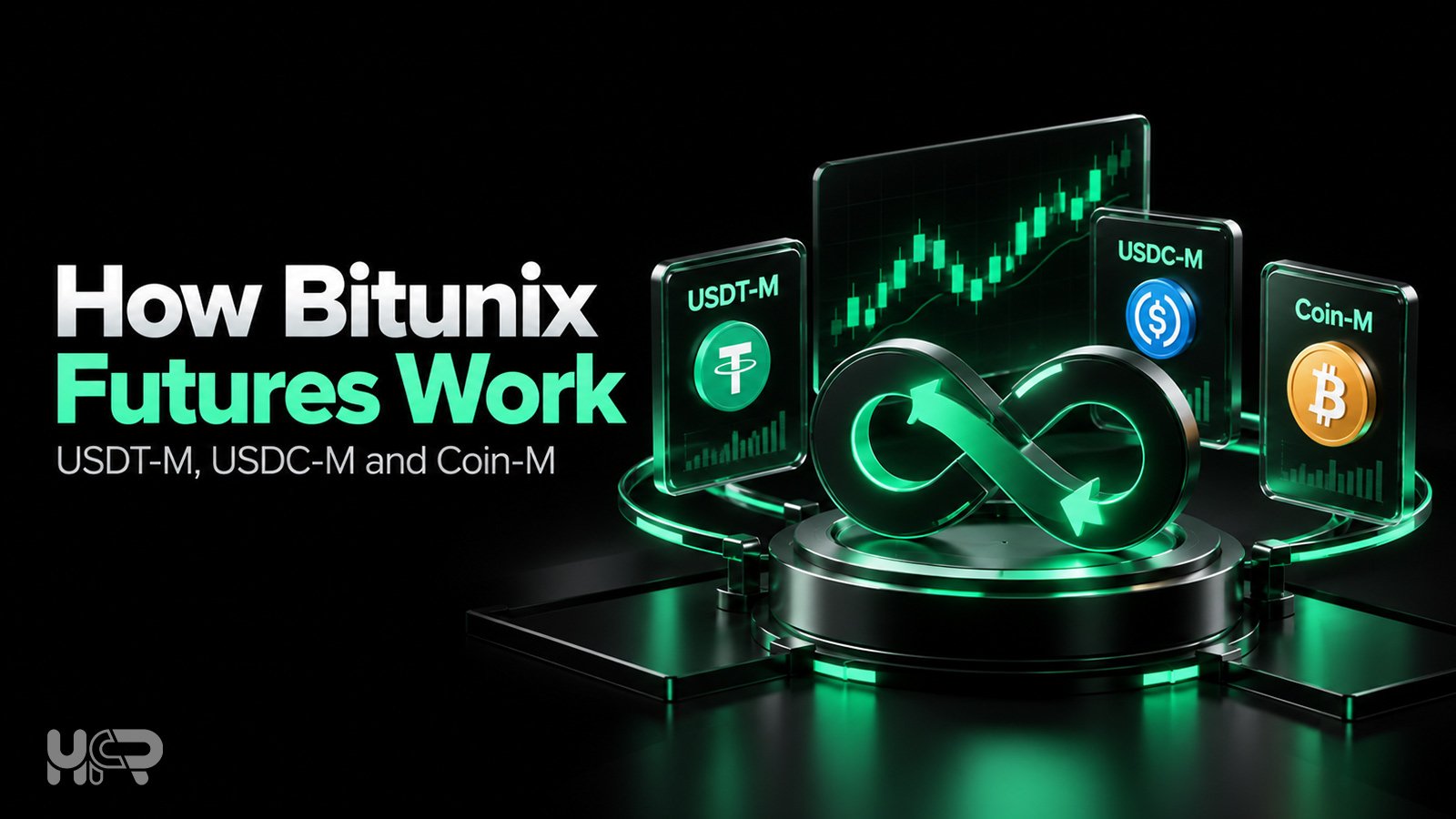
Perpetual contracts do not have a fixed expiry date. Futures positions can be opened long or short, and Bitunix supports both cross and isolated margin on supported contracts. In cross margin, account margin can be shared across positions. In isolated margin, the margin assigned to a position is kept separate from other positions under the applicable account settings.
Leverage, margin and liquidation
Bitunix's 18 June 2026 futures update states that BTC/USDT and ETH/USDT perpetual contracts support leverage up to 200x. Its general About page still displays an 'up to 125x' platform figure. The most defensible reading is contract-specific: selected BTC/ETH perpetuals can offer 200x, while other contracts can have lower limits based on product, position size and risk settings.
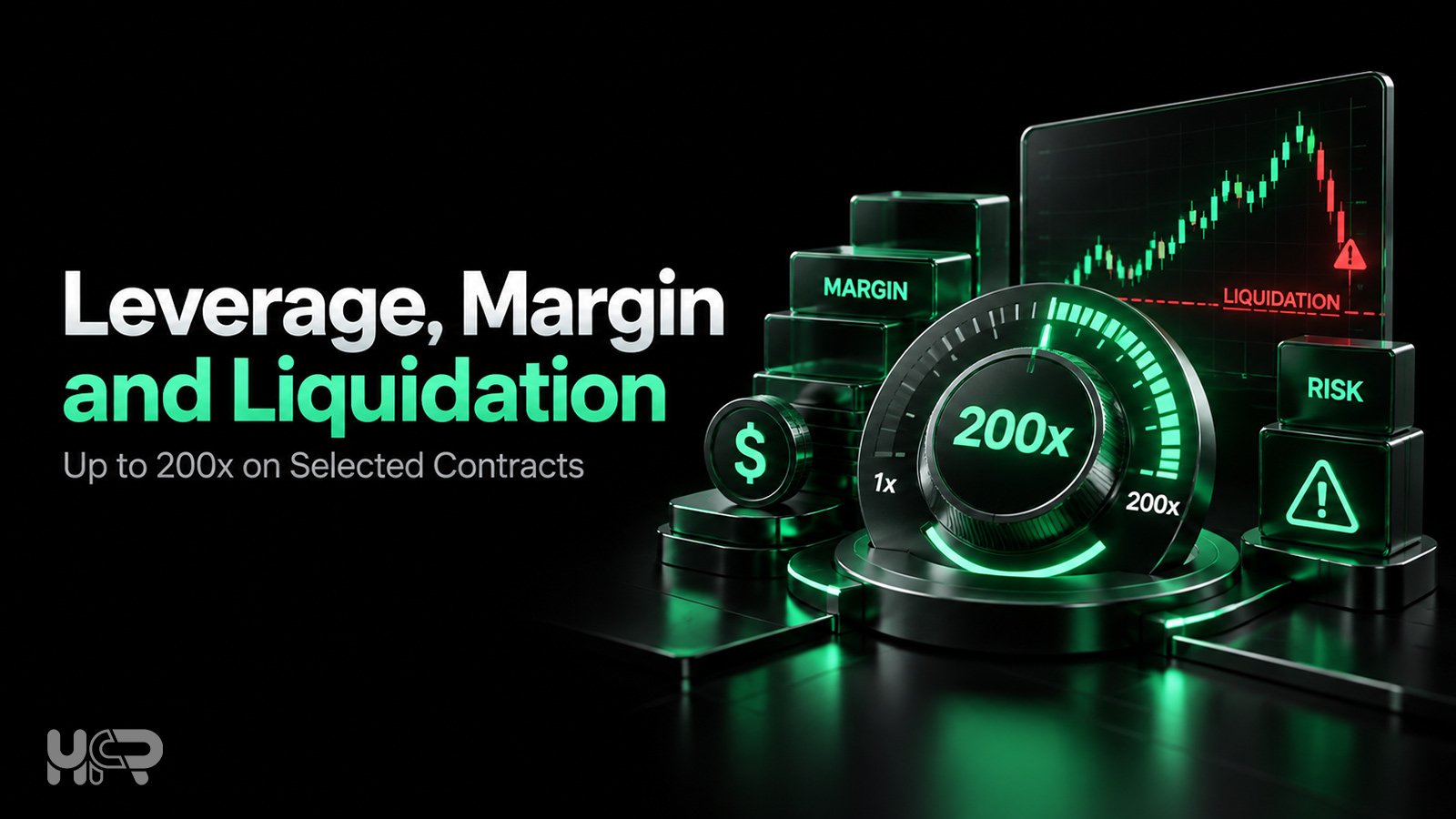
Higher leverage reduces the margin required for a given notional position, but it also means a smaller adverse price move can have a larger effect relative to the margin committed. Futures positions remain subject to maintenance-margin and liquidation rules, and Bitunix uses Mark Price in its risk-control framework. A liquidation can occur when required margin is no longer maintained.
Risk point: 200x leverage is not an account advantage by itself. It materially increases liquidation sensitivity and can magnify losses.
Funding and Futures trading fees
Executed Futures orders incur the applicable maker or taker trading fee. At VIP 0, Bitunix currently lists 0.0200% maker and 0.0600% taker.
Perpetual contracts can also use periodic funding payments. Bitunix states that an eight-hour interval is common for USDT perpetuals, although the schedule can differ for some pairs. When the funding rate is positive, longs generally pay shorts; when it is negative, shorts generally pay longs. Funding is separate from maker/taker trading fees.
Funding payments should also be kept separate from HFR cashback. They should not be treated as rebate-eligible unless the current HFR terms explicitly include them.
Bitunix products, trading tools and platforms
Bitunix provides Spot trading, perpetual Futures and Copy Trading through its web platform and mobile apps. Its current About page and July 2026 H1 recap state that the platform offers more than 1,200 trading pairs, while the About page says Spot supports more than 400 digital assets. These are company-published figures and can change as markets are added or removed.
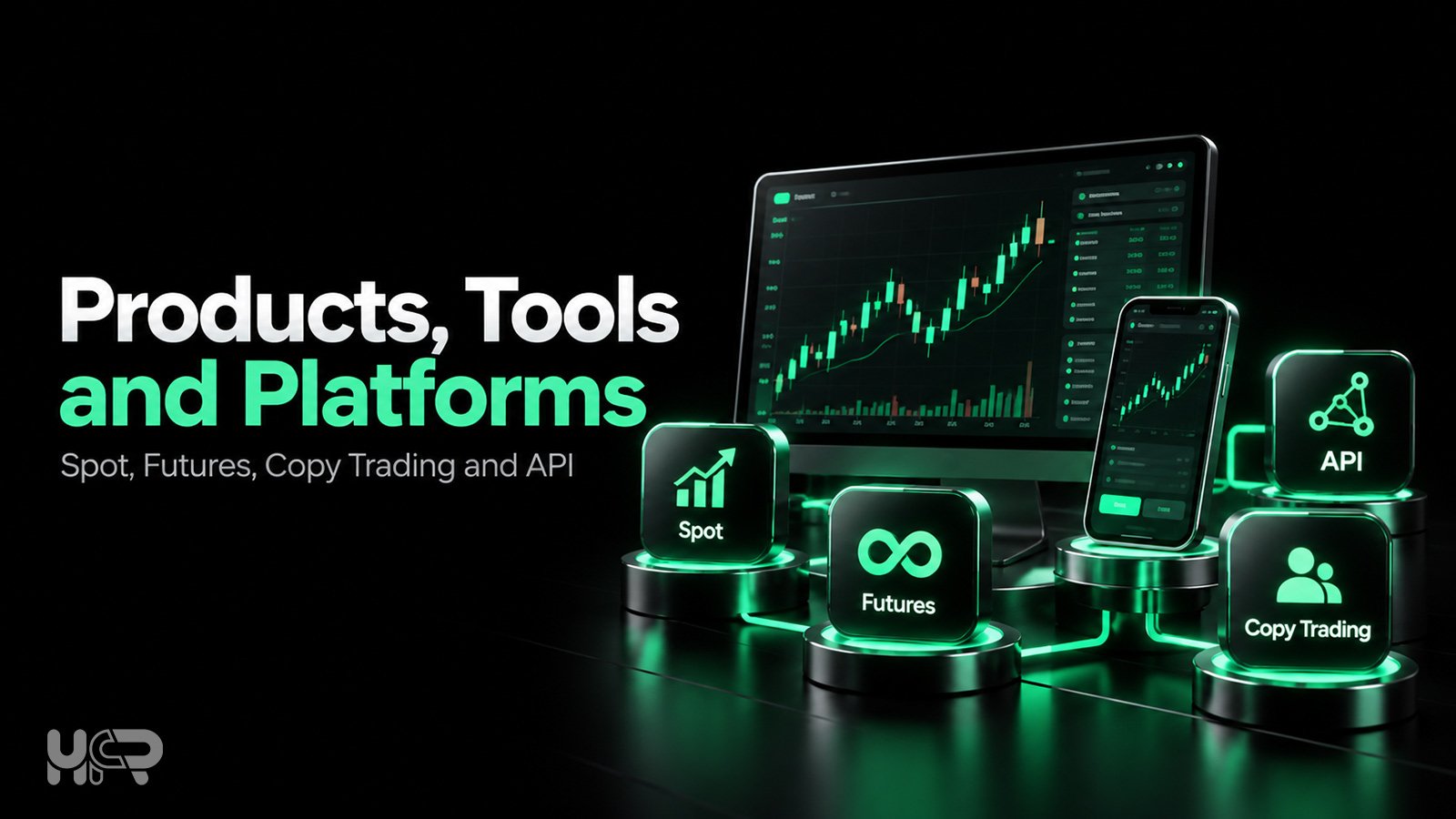
Additional tools include OpenAPI access for Spot and Futures market, order and account functions, as well as futures features such as Multi-Trade and demo trading. Demo Futures uses virtual funds and is useful for learning the interface and margin mechanics, but demo results do not represent live liquidity, slippage, or execution.
Bitunix also provides product-specific services beyond crypto Spot and perpetual Futures. Its current CFD guide says the CFD feature is available only in selected countries and regions, with current access described for Southeast Asia and Japan. It covers markets including forex, commodities, precious metals, indices, US stocks, and ETFs under separate CFD terms. These services should not be conflated with Bitunix's crypto Spot or perpetual-futures offering.
Bitunix security, Proof of Reserves and asset protection
Bitunix publishes several account-security, custody and transparency controls. These measures can reduce certain risks, but they do not prove that an exchange is free from custody, operational, liquidity, counterparty, or insolvency risk.
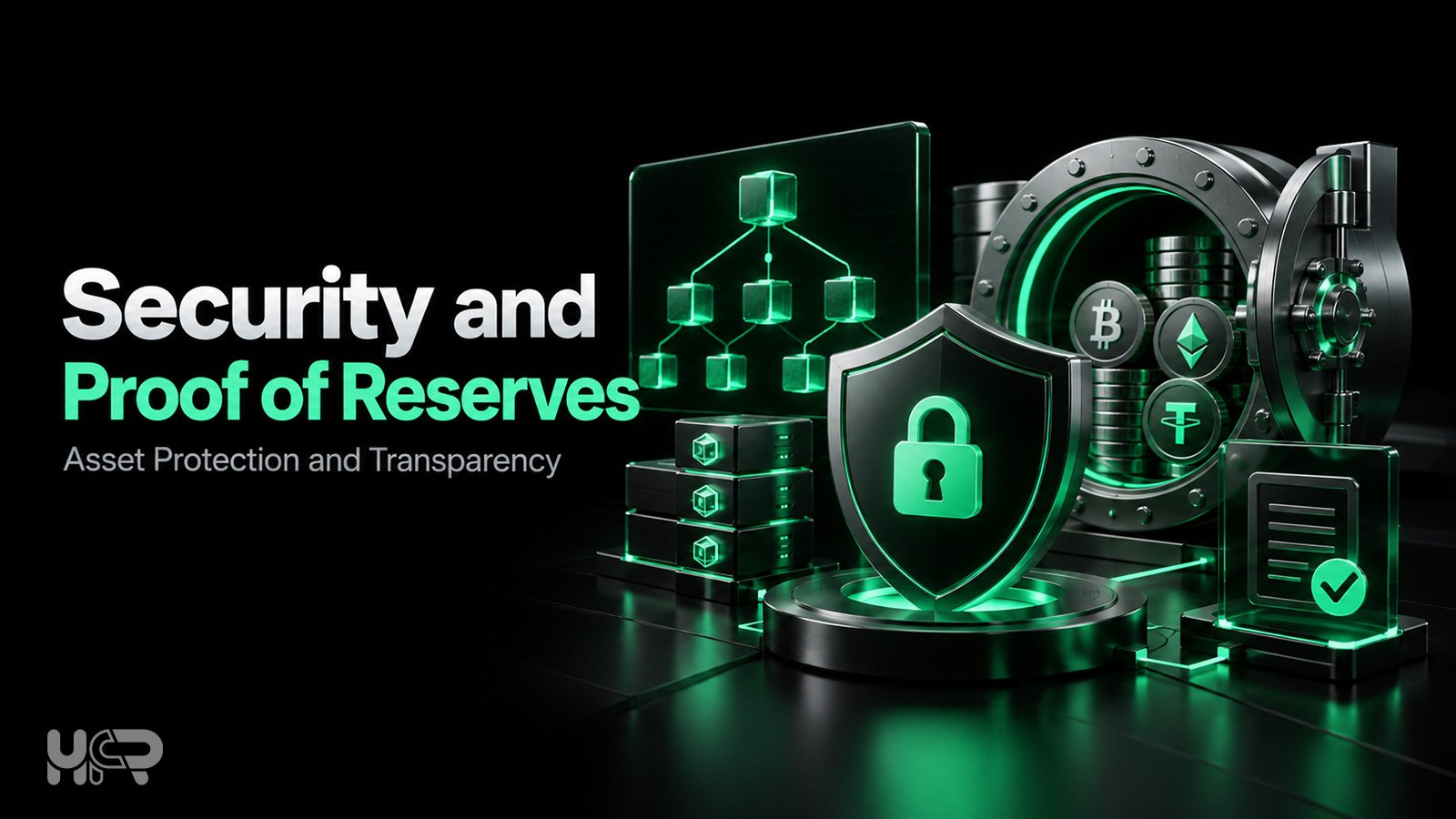
Its Proof of Reserves system uses a Merkle-tree process that lets users check whether their balances are included in the published reserve dataset. Bitunix’s July 2026 company update reported reserve ratios of 110% for BTC, 104% for ETH and 104% for USDT. Those ratios are dated, company-reported figures; the live Proof of Reserves portal should be checked for the latest dataset.
Proof of Reserves provides reserve-transparency information at a point in time. It does not by itself provide a complete picture of liabilities, future liquidity, or the ability to reimburse users in every scenario.
For account security, Bitunix describes controls including two-factor authentication, anti-phishing codes, and withdrawal-address whitelisting. Its current security material also says that sensitive account changes can trigger temporary withdrawal restrictions. At the custody level, Bitunix says it uses hot/cold wallet separation, multi-signature or MPC-based controls, and providers including Cobo and Fireblocks. Bitunix also states that it holds ISO/IEC 27001:2022 certification; HFR treats that as a Bitunix-published claim unless the current certificate is independently checked.
Bitunix separately describes the Bitunix Care Fund as an exchange-operated protection reserve launched with 30 million USDC. Its own current guide says support or compensation depends on the verified circumstances and applicable process. The fund is not government deposit insurance and should not be treated as a guarantee that every loss will be reimbursed.
Bitunix regulation, legal status and restricted countries
Bitunix should not be described as “regulated globally” under one licence. Its H1 2026 company update reports a Canadian Money Services Business registration, AUSTRAC registration in Australia, a South African Financial Services Provider authorisation and a Mauritius Investment Dealer authorisation. These statuses differ in legal scope and should not be treated as equivalent.
For example, FINTRAC states that Canadian MSB registration does not mean FINTRAC endorses or licenses the business. AUSTRAC registration is also an AML/CTF framework and should not automatically be described as a general investment or exchange licence for every Bitunix product. Where HFR cannot independently match a specific legal entity, registration number, and permitted activities to a live regulator register, the review should attribute the status to Bitunix rather than present it as independently confirmed.

Bitunix also uses product-specific agreements. Its current CFD Service Agreement says CFD services may be provided by entities including PillarChain Ltd. in Saint Lucia and Bitux Markets (Pty) Ltd. in South Africa, depending on jurisdiction and onboarding. Those CFD entities should not automatically be assumed to govern Bitunix Spot or crypto Futures accounts.
Access is a separate issue from registration. Bitunix’s restricted-regions notice, updated 5 August 2026, lists prohibited jurisdictions including the United States, Canada, mainland China, Hong Kong, Singapore, the UAE, France, Malaysia and Seychelles, among others. Product-specific restrictions can be broader than the platform-wide list, so users should check the relevant product terms as well as the general eligibility notice before registering or trading.
Deposits, withdrawals and KYC
Bitunix supports on-chain crypto deposits and withdrawals. The platform states that it does not charge a separate crypto-deposit fee, although the sending wallet or network can charge transaction fees. Minimum deposit amounts can still differ by asset and network, so the deposit page remains the practical reference.
For on-chain withdrawals, minimums, maximums, and fees depend on the asset and blockchain. Bitunix’s withdrawal schedule states that the fee shown on the withdrawal page at the time of the transaction is the relevant amount. Internal transfers between Bitunix accounts can follow different rules from on-chain withdrawals.
Bitunix currently uses KYC 0, Level 1 Basic Verification, and Level 2 Advanced Verification. Its August 2026 KYC guidance says Level 1 unlocks withdrawal access, while Level 2 can provide higher limits and additional features. Actual limits and feature access can still depend on security settings, region, and account-risk assessment.
Fiat-to-crypto purchases and P2P options can be available through supported channels, cards, or third-party providers. Availability, fees, and verification requirements vary by country and payment provider, so they should not be treated as a universal Bitunix bank-deposit service.
Bitunix cashback through HighFxRebates
HighFxRebates currently lists 12% cashback on eligible Bitunix trading fees/commissions. HFR’s live Bitunix page lists Spot, Futures, and Copy Trading as eligible, with rebates paid daily and directly to the Bitunix account after the HFR-linked account has been submitted, reviewed, and confirmed.
| HFR condition | Current Bitunix cashback terms |
|---|---|
| Cashback rate | 12% of eligible trading fees/commissions |
| Eligible trading | Spot, Futures and Copy Trading |
| Payment frequency | Daily |
| Payment destination | Directly to the Bitunix account |
The 12% applies to the eligible fee paid. It does not apply to trading volume, position value or profit, and it does not change Bitunix’s underlying maker/taker rates, leverage or liquidation rules. Funding payments, withdrawal/network fees and unrelated charges should not be included unless HFR explicitly confirms them as eligible.
Example HFR cashback calculation
At VIP 0, Bitunix currently lists a Futures taker fee of 0.0600%. For an illustrative 10,000 USDT Futures taker execution:
10,000 × 0.0600% = 6.00 USDT trading fee
6.00 × 12% = 0.72 USDT illustrative HFR cashback
This example covers one fee-bearing execution. Opening and closing a Futures position can create separate trading-fee events. Actual trading fees and cashback can differ with VIP level, maker/taker status, promotions, and confirmed HFR eligibility.
For the latest HFR conditions, use the Bitunix cashback page.
Can existing Bitunix users get HFR cashback?
Current HFR instructions tell existing Bitunix users to open a new Bitunix account through the HFR link rather than transfer an existing UID. The new account details should then be submitted in the HFR Crypto Accounts section for review. Cashback should only be expected after confirmation, and previous activity should not be assumed to qualify retroactively.
Bitunix advantages and limitations
| Potential advantages | Material limitations and checks |
|---|---|
| Clear VIP maker/taker pricing for Spot and Futures. | Futures leverage can magnify losses and liquidation risk. |
| Spot, multiple perpetual-futures formats, Copy Trading, API access and demo Futures. | A substantial restricted-jurisdiction list limits availability. |
| Proof of Reserves and several account/custody security controls. | PoR, custody controls and the Care Fund do not remove exchange or insolvency risk. |
| Web, mobile, and API access, plus demo Futures for interface practice. | Regulatory status and product availability need to be checked by legal entity and jurisdiction. |
HFR cashback is separate from these exchange-level advantages and limitations. Its 12% rate and new-account eligibility rules are HFR conditions, not Bitunix platform features. The regulatory position also needs careful reading because Bitunix reports different registrations and licences in different jurisdictions. Those statuses should be checked by legal entity and product rather than reduced to a single 'regulated' label.
Who may consider Bitunix, and who may need alternatives?
Bitunix may be worth comparing for users in supported jurisdictions who want Spot trading alongside perpetual Futures, Copy Trading, API access and demo tools. HFR cashback is a separate consideration for users who qualify under HFR's current account-linking rules. Bitunix's futures range includes different margin and settlement formats, which may matter to users comparing derivatives platforms.
Alternatives may be more appropriate for users in a restricted jurisdiction, users who do not want exposure to leveraged derivatives, or users who prefer a different legal, regulatory or custody framework. The decision should consider fees, product access, KYC requirements, custody arrangements, legal status, and HFR eligibility together.
For a wider comparison, see HFR’s crypto exchange cashback list.
FAQ
What are Bitunix Spot trading fees?
As of 12 September 2026, Bitunix lists VIP 0 Spot fees of 0.0800% maker and 0.1000% taker. Higher VIP tiers can reduce these rates when the relevant volume or balance conditions are met.
What are Bitunix Futures maker and taker fees?
Bitunix currently lists VIP 0 Futures fees of 0.0200% maker and 0.0600% taker. Perpetual Futures can also involve funding payments, which are separate from trading fees.
Does Bitunix offer 200x leverage?
Yes, on selected contracts. Bitunix currently states that BTC/USDT and ETH/USDT perpetuals can support leverage up to 200x. The maximum varies by contract and risk settings, and higher leverage increases liquidation sensitivity and potential losses.
Does Bitunix publish Proof of Reserves?
Yes. Bitunix provides a Merkle-tree Proof of Reserves system that lets users verify inclusion of balances in the published dataset. PoR improves reserve transparency but does not guarantee future solvency, liquidity or reimbursement.
Is Bitunix regulated?
Bitunix reports registrations or licences in several jurisdictions, including Canada, Australia, South Africa and Mauritius. These statuses have different scopes and should not be treated as one global exchange licence. The exact legal entity and product should be checked.
Which countries are restricted on Bitunix?
Bitunix’s notice updated 5 August 2026 lists prohibited jurisdictions including the United States, Canada, mainland China, Hong Kong, Singapore, the UAE, France, Malaysia and Seychelles, among others. The list can change and product-specific restrictions can be broader.
Is KYC required on Bitunix?
Bitunix currently uses KYC 0, Level 1 Basic Verification and Level 2 Advanced Verification. Its current guidance says Level 1 unlocks withdrawals and Level 2 can provide higher limits and additional features, subject to regional and account-risk controls.
How much Bitunix cashback does HFR pay?
HFR currently lists 12% cashback on eligible Bitunix trading fees/commissions. The percentage applies to the qualifying fee paid, not to trading volume, position value or profit.
Which Bitunix products qualify for HFR cashback?
The current HFR Bitunix page lists Spot, Futures and Copy Trading as eligible. Other products, funding payments and withdrawal fees should not be assumed to qualify unless HFR explicitly states that they do.
Can an existing Bitunix account be moved under HFR?
Current HFR instructions tell existing users to open a new Bitunix account through the HFR link, submit the new account details in HFR’s Crypto Accounts section and wait for confirmation. Transfer of an old UID and retroactive cashback should not be assumed.
Bitunix review 2026: practical takeaway
Bitunix combines Spot trading with several perpetual-futures formats and a broader set of trading tools. Before opening an account, compare the current maker/taker fees, the leverage and margin rules for the specific contract, security, and Proof of Reserves information, KYC requirements, product availability, and the legal or regulatory status relevant to the service being used. The restricted-jurisdiction list should also be checked because Bitunix is not available everywhere.
HFR cashback is a separate consideration. As checked on 12 September 2026, HFR lists 12% of eligible Bitunix trading fees/commissions, paid daily and directly to the Bitunix account after the HFR-linked account is confirmed. Confirm the live HFR conditions before registering because eligible products and account-linking rules can change.
Sources and methodology
This review was fact-checked on 12 September 2026. Exchange-side fees, products, security controls, eligibility, and product terms were checked against current Bitunix pages. HFR cashback conditions were checked separately against the live HFR Bitunix page. Bitunix's general About page still displays up to 125x leverage, while its 18 June 2026 futures update explicitly states that BTC/USDT and ETH/USDT perpetuals support up to 200x. This review therefore treats 200x as a selected-contract maximum, not a platform-wide figure. Where HFR's exchange-detail fields differ from newer Bitunix product pages, exchange facts are taken from current Bitunix sources and the HFR page is used for HFR rebate conditions. Regulatory claims that could not be independently matched to a specific live register entry are attributed to Bitunix rather than presented as independently confirmed.
- Bitunix — About us
- Bitunix — Fee structure
- Bitunix — USDC-M Futures and 200x BTC/ETH leverage
- Bitunix — Coin-M perpetual Futures guide
- Bitunix — H1 2026 review and PoR update
- Bitunix — Proof of Reserves
- Bitunix — Security features
- Bitunix — Care Fund
- Bitunix — User Agreement
- Bitunix — Restricted regions and user eligibility
- Bitunix — KYC level benefits
- Bitunix — Withdrawal fees and limits
- Bitunix — CFD trading guide
- Bitunix — CFD Service Agreement
- FINTRAC — MSB registration information
- AUSTRAC — Virtual asset service provider register information
- HighFxRebates — Bitunix cashback conditions
Disclosure and risk warning
Disclosure: HighFxRebates may receive remuneration from Bitunix under an exchange-partner or referral arrangement. HFR cashback eligibility, calculation and payment conditions are separate from Bitunix’s own trading terms and remain subject to the applicable HFR and exchange conditions.
Risk warning: Cryptocurrency and derivatives trading involve substantial risk. Futures leverage can magnify losses and lead to liquidation. Proof of Reserves, security controls and exchange-operated protection funds do not eliminate custody, operational, counterparty, liquidity or insolvency risk. Cashback may help offset part of eligible trading fees but does not reduce trading risk or the risk of loss.
Educational disclaimer: This review is for educational and informational purposes only. It should not be treated as financial advice, investment advice, trading advice, or a recommendation to use Bitunix, trade cryptocurrency, or use leveraged derivatives.
 6
Share Posts


Further Reading
- What is Proof of Reserves on a crypto exchange? What it shows and what it does not
- ActivTrades Review 2026: Accounts, Fees, Platforms, Regulation and Cashback
- Weekly market recap, 12–18 October 2026: Inflation, yields, gold and crypto
- Bitcoin, Ethereum, Solana, Gold and Silver: Daily technical outlook for 19 October 2026